/filters:format(jpeg,png)/fit-in/300x300/users/3660573b-283e-44a2-b720-74c2aeee1d0d/company-logo/outfitter_logo.jpg)
/filters:format(jpeg,png)/fit-in/237x80/users/3660573b-283e-44a2-b720-74c2aeee1d0d/company-logo/outfitter_logo.jpg)
//users/3660573b-283e-44a2-b720-74c2aeee1d0d/ratecard/file-1726227475837-14f8n411.webp)
%2Ffit-in%2F300x300%2Fusers%2F3660573b-283e-44a2-b720-74c2aeee1d0d%2Fratecard%2Ffile-1726227475837-14f8n411.webp&w=256&q=75)
%2Ffilters%3Aformat(webp)%2F300x300%2F6c4d963d-7dfb-4b81-bb52-dd94c88efeef%2Freport%2Fsocial%2Fimages%2Freport%2Fredfish-fishing-boat-topsfield-adventure-4040.png&w=256&q=75)
%2Ffilters%3Aformat(webp)%2F300x300%2F6c4d963d-7dfb-4b81-bb52-dd94c88efeef%2Freport%2Fsocial%2Fimages%2Freport%2Fpeacock-bass-fishing-adventure-boat-8913.png&w=256&q=75)
%2Ffilters%3Aformat(webp)%2F300x300%2F6c4d963d-7dfb-4b81-bb52-dd94c88efeef%2Freport%2Fsocial%2Fimages%2Freport%2Ffishing-rod-cloudy-sky-adventure-10230.png&w=256&q=75)
%2Ffilters%3Aformat(webp)%2F300x300%2F6c4d963d-7dfb-4b81-bb52-dd94c88efeef%2Freport%2Fsocial%2Fimages%2Freport%2Fcrevalle-jack-fishing-boat-adventure-11006.png&w=256&q=75)
%2Ffilters%3Aformat(webp)%2F300x300%2F6c4d963d-7dfb-4b81-bb52-dd94c88efeef%2Freport%2Fsocial%2Fimages%2Freport%2Fbonnethead-shark-fishing-catch-adventure-11050.png&w=256&q=75)
%2Ffilters%3Aformat(webp)%2F300x300%2F6c4d963d-7dfb-4b81-bb52-dd94c88efeef%2Freport%2Fsocial%2Fimages%2Freport%2Fblack-drum-catch-topsfield-ma-6707.png&w=256&q=75)
%2Ffilters%3Aformat(webp)%2F300x300%2Fdab9f682-c81d-474b-aff7-8e5f1043bf49%2Freport%2Fsocial%2Fimages%2Freport%2Fwhite-fishing-boat-st-petersburg-4472.png&w=256&q=75)
%2Ffilters%3Aformat(webp)%2F300x300%2Fdab9f682-c81d-474b-aff7-8e5f1043bf49%2Freport%2Fsocial%2Fimages%2Freport%2Ffishing-boat-calm-ocean-st-9576.png&w=256&q=75)
%2Ffilters%3Aformat(webp)%2F300x300%2Fdab9f682-c81d-474b-aff7-8e5f1043bf49%2Freport%2Fsocial%2Fimages%2Freport%2Ffishing-boat-st-petersburg-florida-8796.png&w=256&q=75)
%2Ffilters%3Aformat(webp)%2F300x300%2Fa19c4aef-a44c-43d9-8818-45e473f184be%2Freport%2Fsocial%2Fimages%2Freport%2FIMG_6801.jpg&w=256&q=75)
Sunset Cruise Tour: Top-Rated BackCountry Adventure

 Boston, MA
What you will be catching:
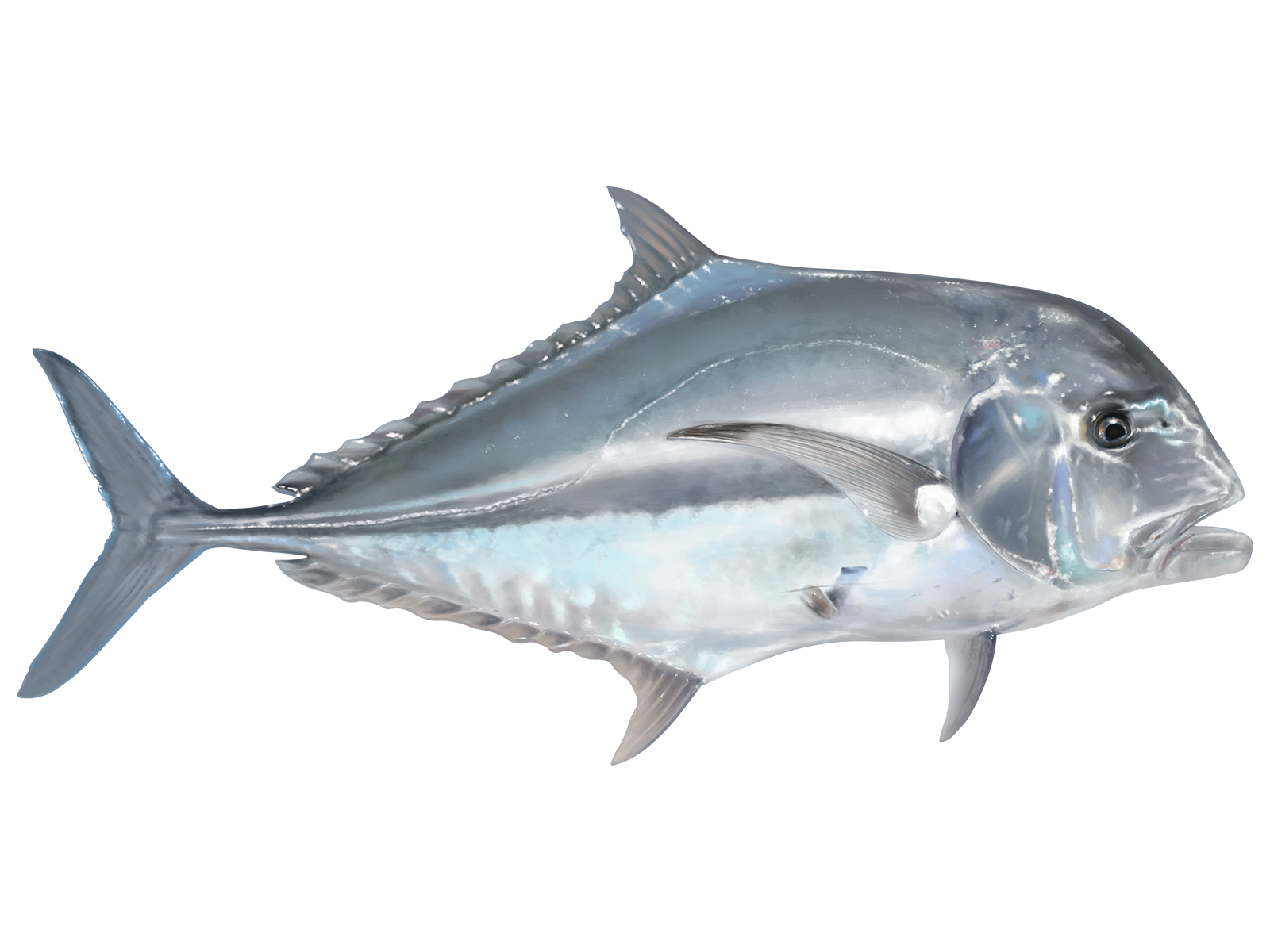 African Pompano
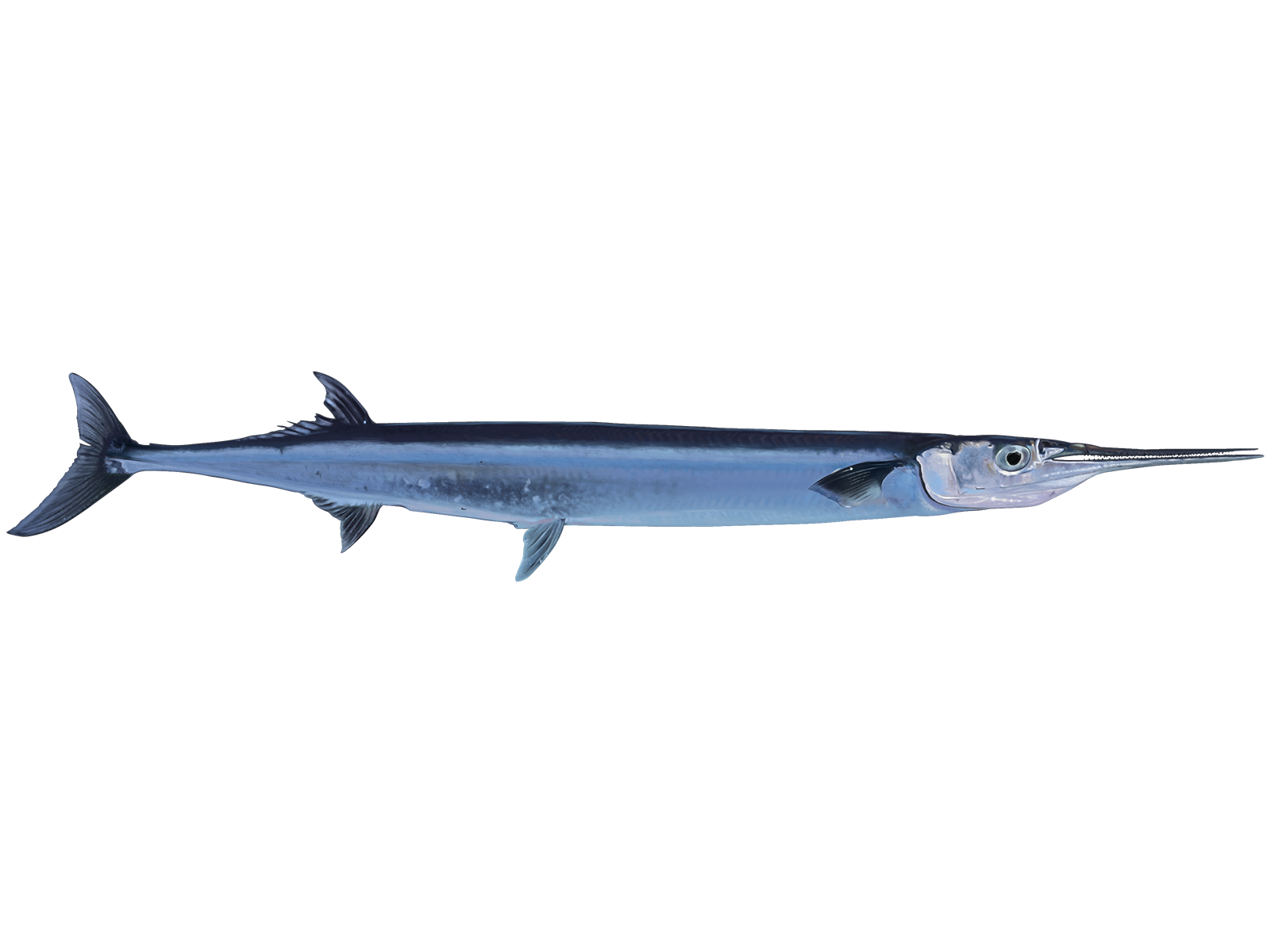 Agujon Needlefish
- Agujon Needlefish
 Albacore Tuna
 American Gizzard Shad
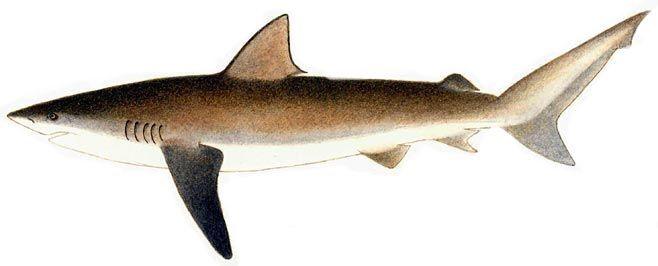
 Blacktip Shark
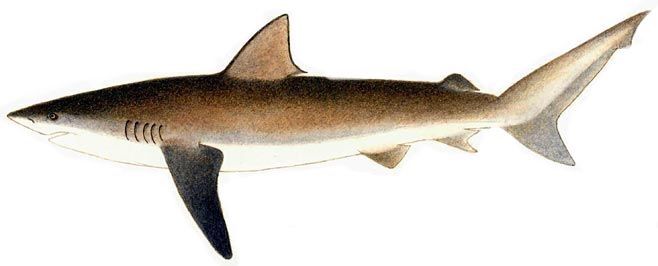 Copper Shark
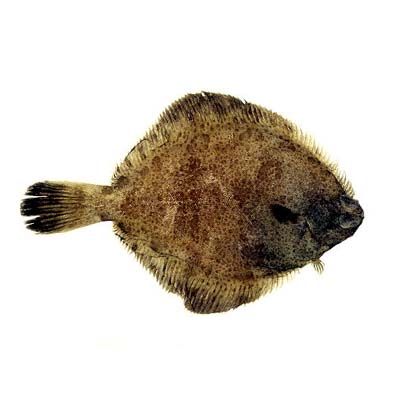 Curlfin Sole
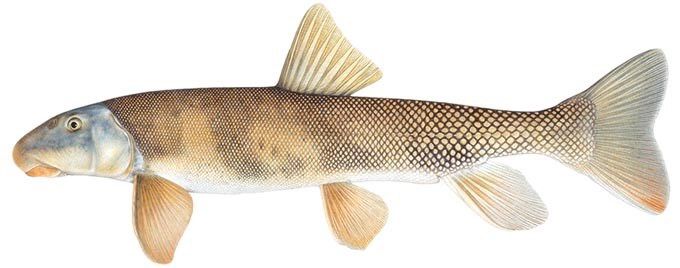 Flannelmouth Sucker
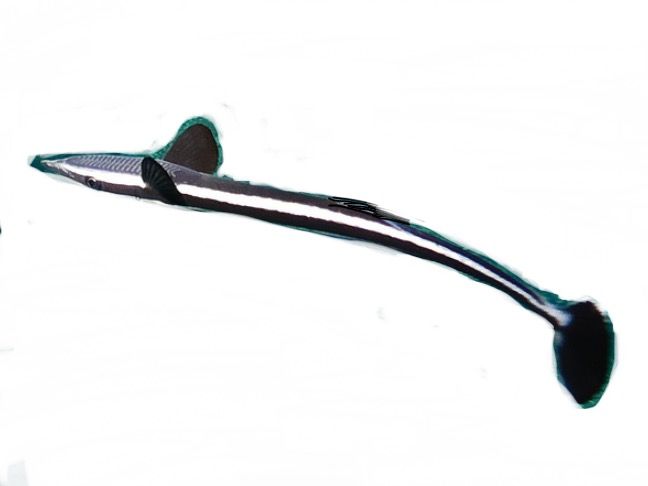 Live Sharksucker
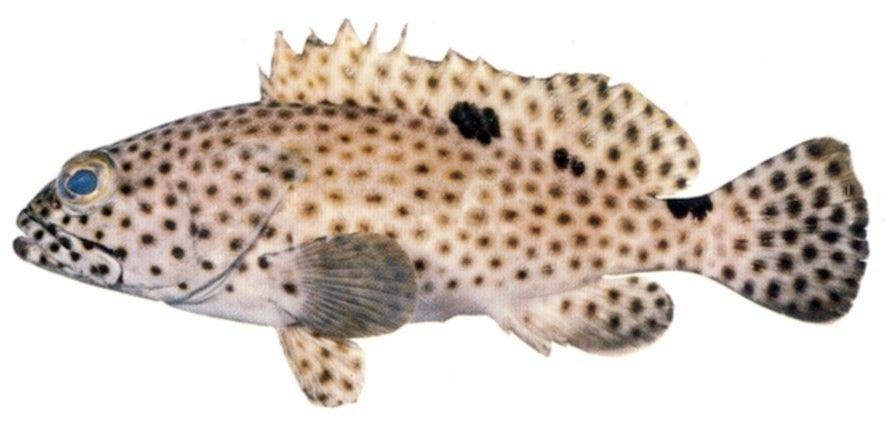
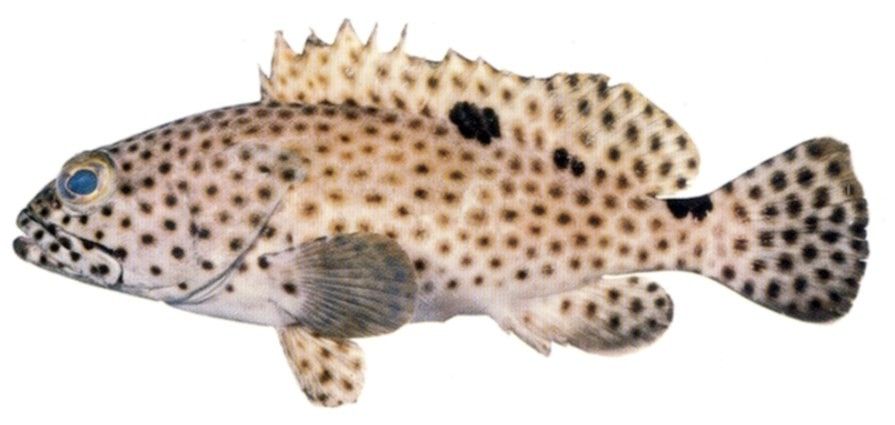 Spotted Grouper
Trip Pricing and Availabilities :
Sunset Cruise Tour with Barron Outfitters
There's something magical about being on the water when the sun starts its descent. Our sunset cruise takes you away from the crowded shoreline and puts you right where you need to be – on deck with a front-row seat to nature's daily masterpiece. This isn't just another boat ride; it's your chance to witness the sky paint itself in colors that'll make your phone camera jealous. Perfect for couples looking for romance, friends wanting to chill, or solo travelers who just need to reset after a busy day.
What to Expect on the Water
We keep this cruise intimate with just one guest at a time, so you'll have the entire experience tailored to your vibe. No crowds, no rushing – just you, the open water, and whatever pace feels right. The boat launches about an hour before sunset, giving us plenty of time to find the perfect spot where the light hits just right. You'll feel the stress melt away as soon as we clear the harbor and that evening breeze kicks in. The water takes on this mirror-like quality during golden hour that photographers dream about, and you'll be right in the middle of it all. Bring your camera, but don't forget to put it down sometimes and just soak it in.
Our Boat & Setup
We run a well-maintained vessel that's perfect for these sunset runs – stable enough to keep you comfortable but nimble enough to get us to those prime viewing spots. The deck gives you 360-degree views, so whether the best colors are happening to the west or reflecting off the eastern horizon, you won't miss a thing. We've got comfortable seating and all the safety gear, but the real magic happens when you're standing at the rail with that warm light washing over everything. The boat's positioned to minimize engine noise once we're on station, so you can actually hear the water and feel connected to the moment instead of fighting mechanical sounds.
Customer Stories
"This was an awesome experience and a highly recommended one!!!" - Pooja. "I have had a great time on this trip. It was such an awesome experience. We fished a trophy fish and guide clicked lots of pictures on my request. This is an experience beyond words." - Penny. "Your doing amazingggggg" - Carly.
Marine Life You'll Encounter
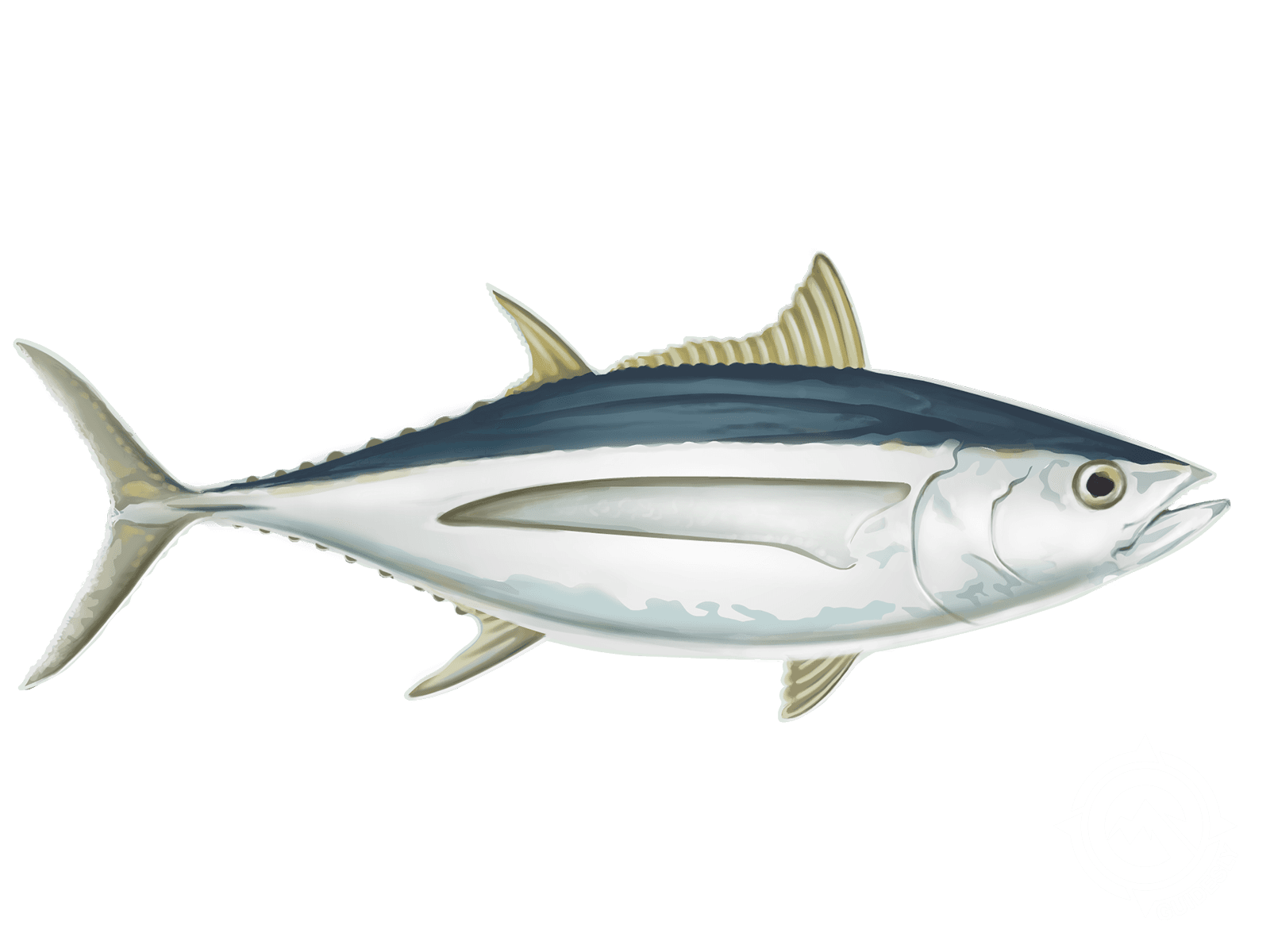
Albacore Tuna are some of the most athletic fish you'll see out here, often breaking the surface in spectacular jumps during feeding time. These torpedo-shaped speedsters can hit 40 mph and love the cooler evening waters when baitfish are active. They're most common during late summer and early fall, and watching them hunt in packs is like witnessing an underwater air show.
Live Sharksuckers might sound intimidating, but they're actually fascinating hitchhikers of the sea. These sleek fish use their modified dorsal fin to attach to larger marine animals, getting free rides and leftover meals. You'll often spot them during sunset hours when their host animals come closer to the surface to feed. They're harmless and incredibly intelligent, sometimes approaching the boat out of curiosity.
Copper Sharks are one of the more impressive predators you might glimpse during evening hours. These bronze-colored beauties can reach 10 feet and are surprisingly graceful swimmers. They're most active during twilight when they move into shallower waters to hunt. Seeing one glide beneath the boat as the last light fades is a moment that stays with you forever.
Spotted Grouper are the gentle giants of the reef, often reaching 200 pounds or more. These curious fish have personalities and will sometimes approach the boat to investigate. Their spotted patterns make them easy to identify, and they're most active during the transition from day to night. Many guests are amazed by how calm and almost dog-like these fish can be.
Flannelmouth Suckers are unique bottom-dwellers with oversized lips perfectly designed for scraping algae off rocks. While they might not win beauty contests, they're crucial to the ecosystem and surprisingly abundant during certain seasons. You'll usually spot them in shallower areas where the setting sun illuminates the sandy bottom.
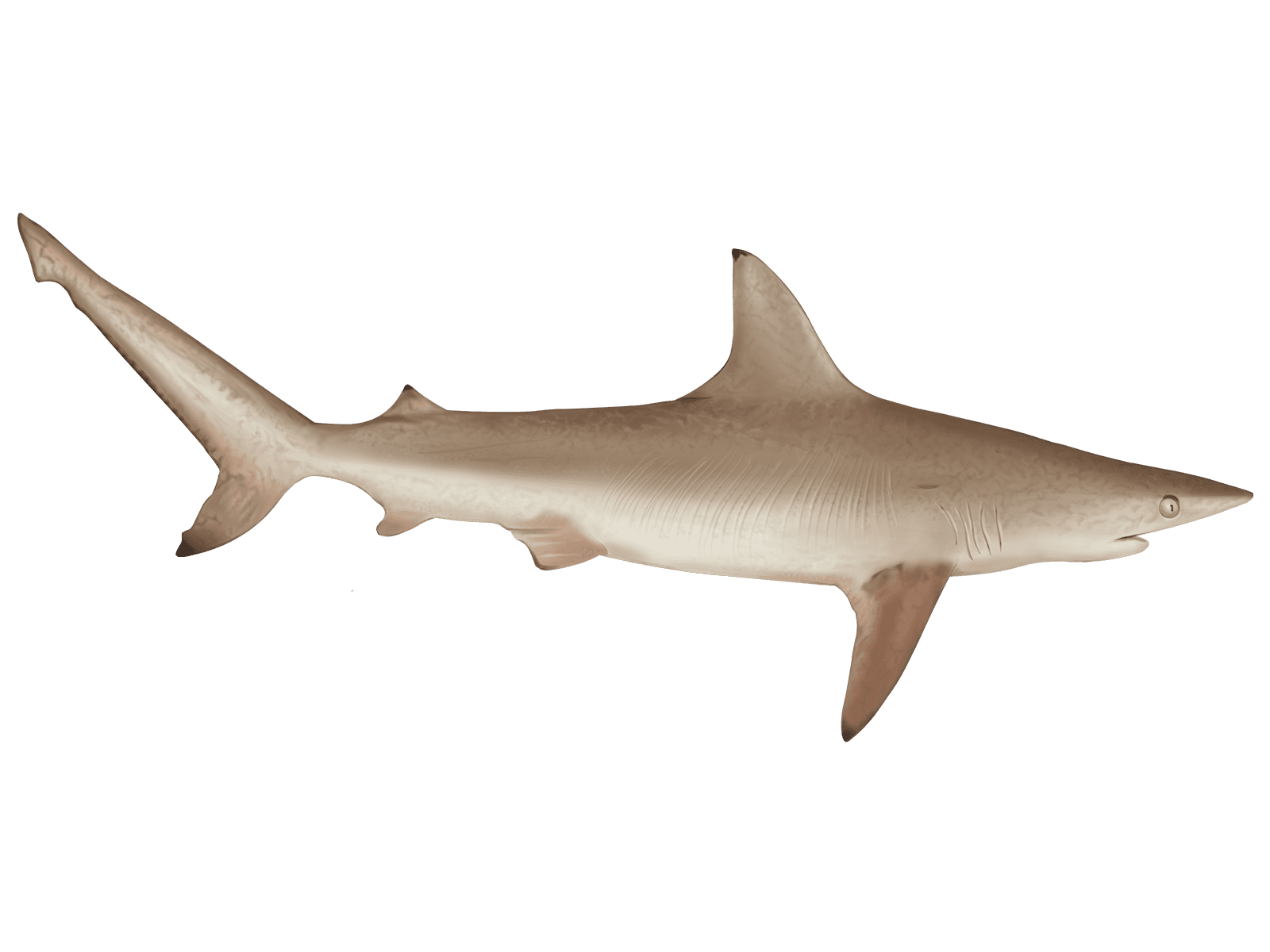
Blacktip Sharks are the acrobats of the shark world, famous for their spectacular jumps and spins when hooked or excited. These sleek predators are most active during dawn and dusk, making our sunset timing perfect for sightings. They're relatively small at 4-6 feet but pack incredible energy and grace. The black tips on their fins make them easy to identify even from a distance.
Curlfin Sole are masters of camouflage, lying perfectly flat against the sandy bottom until you're right on top of them. These flatfish are most active during evening hours when they venture out to hunt small crustaceans. Their ability to change color and texture to match their surroundings is like watching a real-life magic trick.
African Pompano are absolute stunners with their silver sides and flowing fins that catch the evening light like liquid metal. These fish can grow massive – over 40 pounds – and are incredibly strong fighters. They're most common during warmer months and often travel in small groups, creating quite a spectacle when they're feeding near the surface.
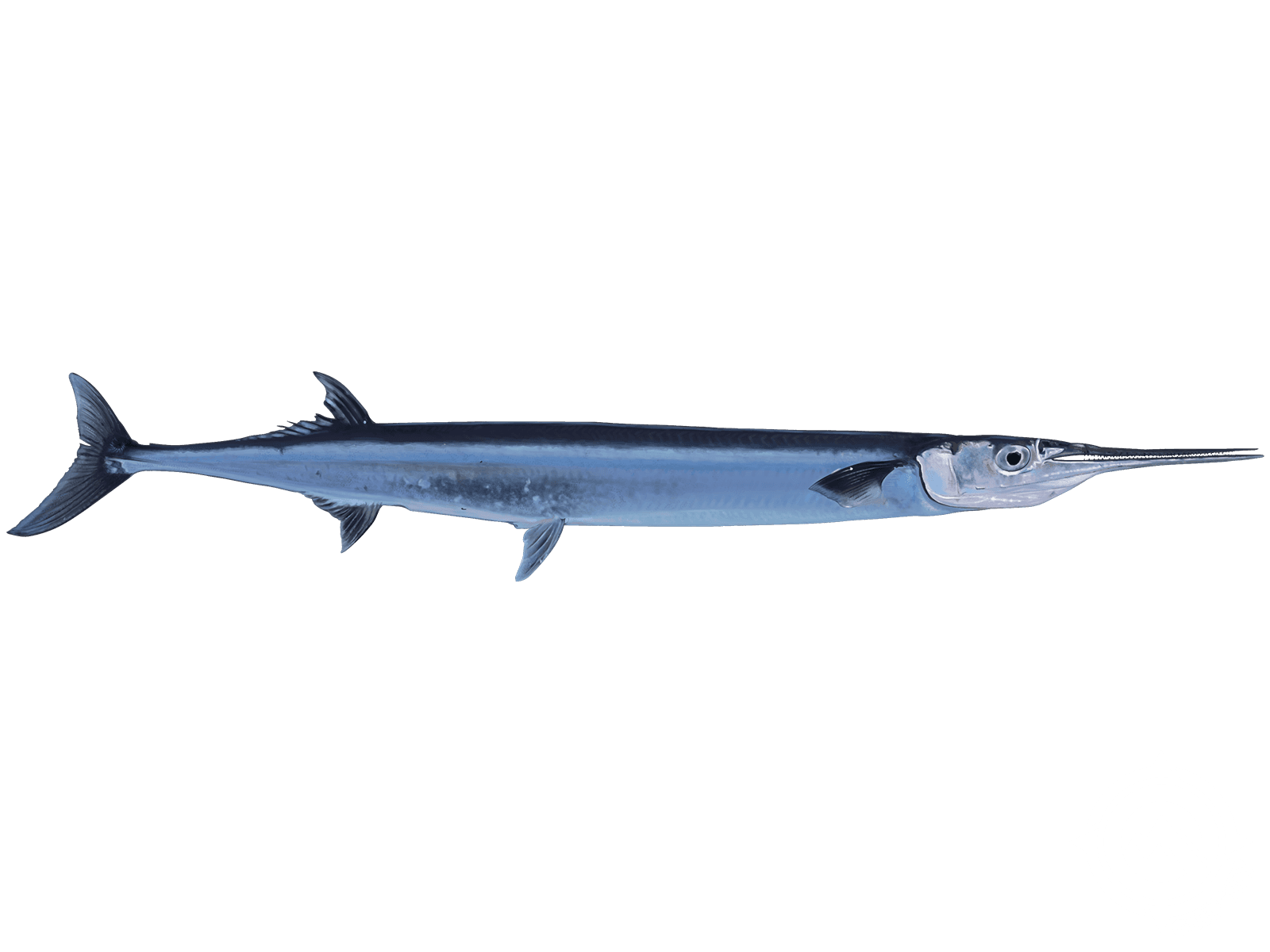
Agujon Needlefish look prehistoric with their long, needle-like bills and slender bodies. They're surface dwellers that love to hunt during low-light conditions, making them perfect evening companions. These fish can launch themselves out of the water with impressive speed, and their silver coloration makes them look like living arrows shooting through the waves.
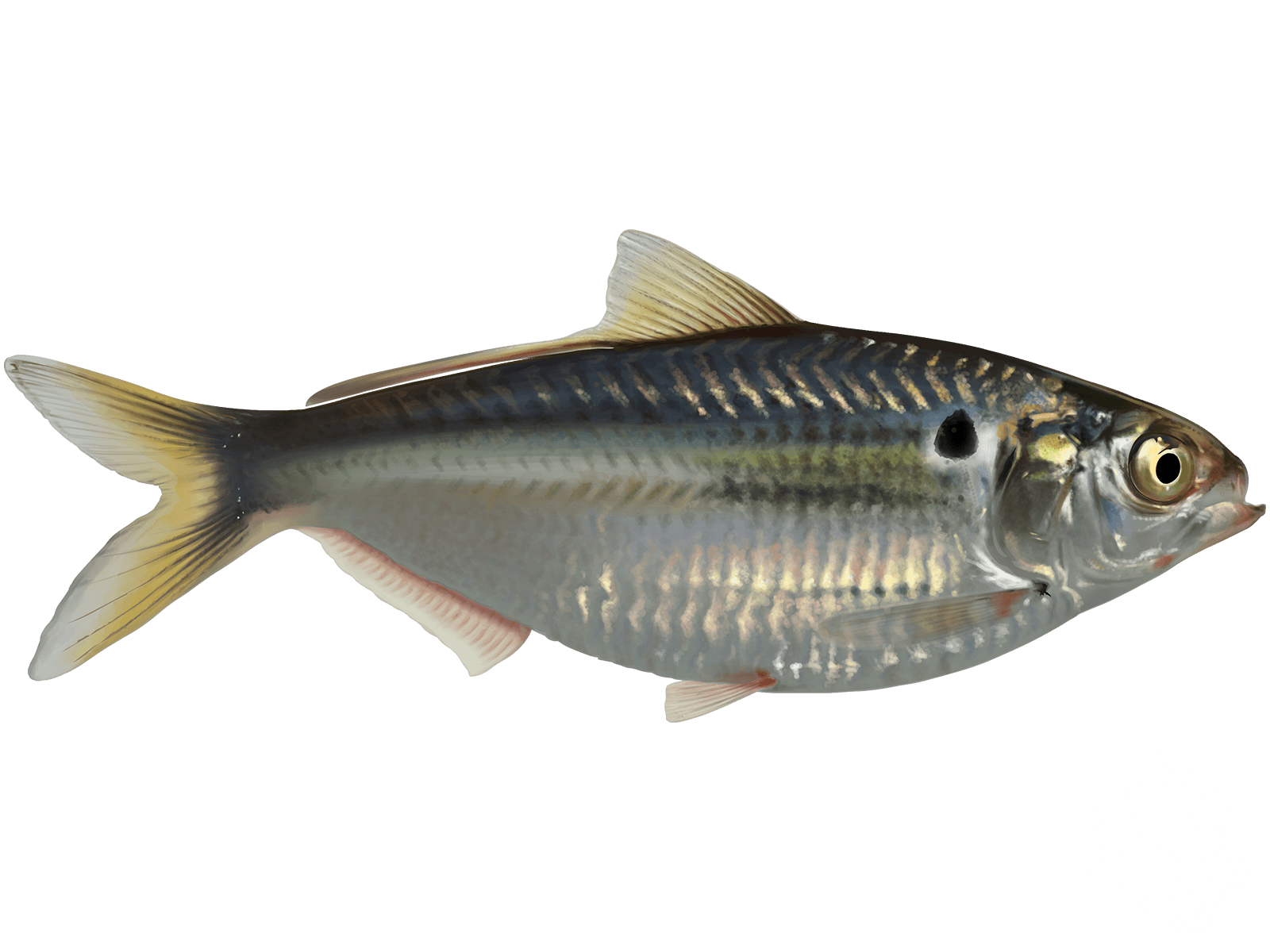
American Gizzard Shad might not be the most glamorous species, but they're the foundation of the food chain out here. These silvery baitfish form massive schools that attract all the predators we love to see. During sunset, you'll often witness feeding frenzies when larger fish push shad schools to the surface, creating boiling water and incredible action
Customer Reviews
Awesome Must Do Trip

Pooja Kundu
October 1, 2024
Solid Adventure
Good trip
Pooja Kundu
September 20, 2024
Nice Journey
Good trip
Pooja Kundu
September 20, 2024
Trophy Fish Dreams
I have had a great time on this trip. It was such an awesome experience. We fished a trophy fish and guide clicked lots of pictures on my request. This is an experience beyond words.
Penny Shepherd
September 17, 2024
Amazing Work Done
Your doing amazingggggg
Carly Ortiz
March 3, 2026
Learn more about the animals
African Pompano
These silver speedsters are part of the jack family and can reach impressive sizes—the record is over 50 pounds. Juveniles are diamond-shaped with long trailing filaments that shrink as they mature. Adults cruise in 30 to 250 feet of water over shallow oceanic areas, feeding on crustaceans and small fish. They're fast swimmers that travel great distances, making them unpredictable but exciting targets. What draws anglers is their strong fight and the challenge of finding them. They're attracted to shiny, moving objects, so along with live bait, jigs and flashy lures work well. You'll often find them near structure or drop-offs where baitfish congregate. Being part of the food chain for large tuna and dolphins means they're always on the move and alert. Best approach is trolling with bright lures or live bait around areas with good current flow. Pro tip: when you hook one, be ready for multiple runs—these fish have stamina and speed, and they'll use both to try and break free.
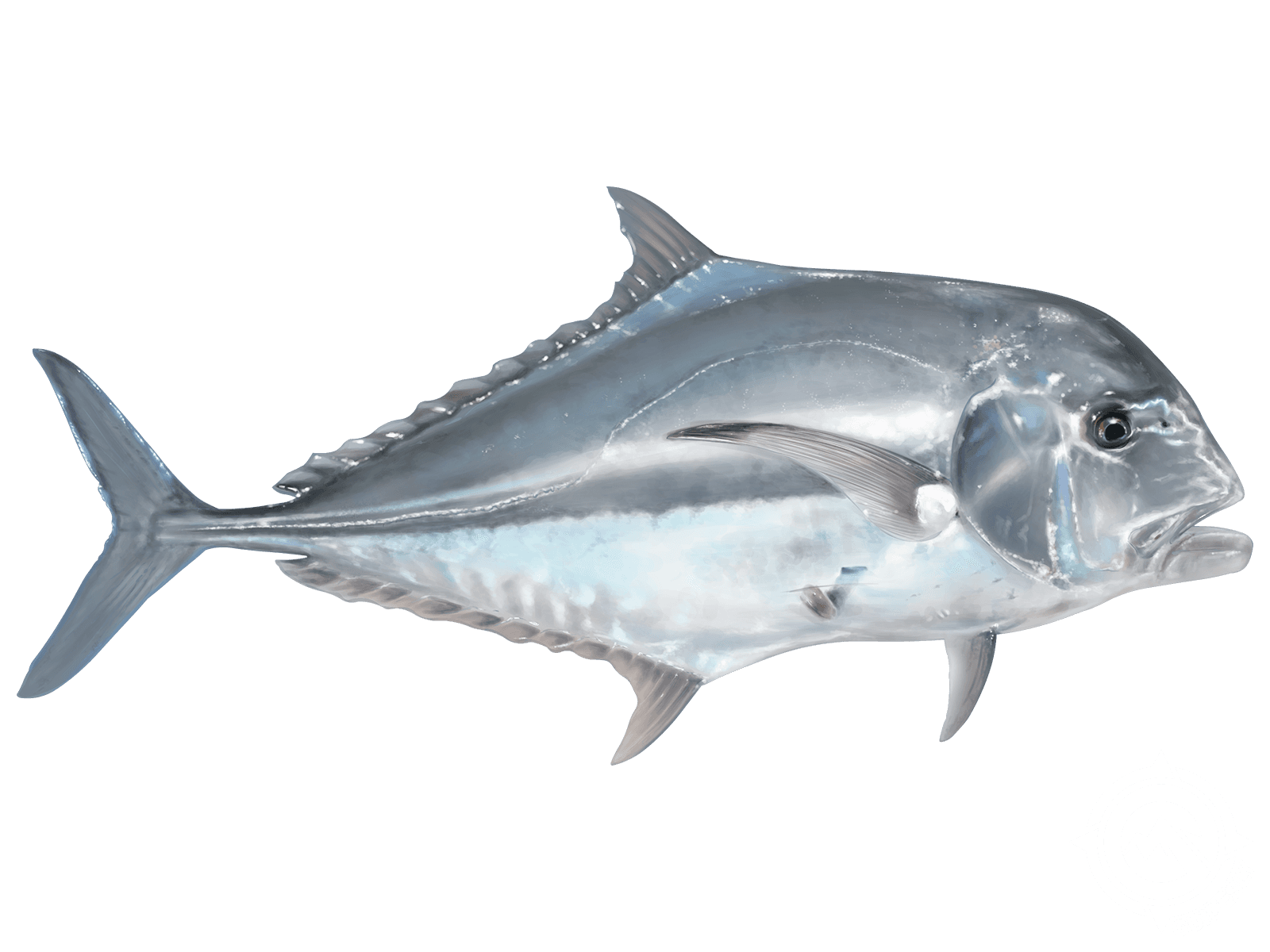
Agujon Needlefish
These torpedo-shaped fish with their distinctive long, pointed beaks can reach 5 feet and 8 pounds, though most run around 35 inches. They're surface hunters found in shallow waters and near reefs throughout the Western Atlantic. Dark blue on top with silver sides and a blue stripe along their flanks, they're easy to spot when feeding. They're carnivores that eat small bony fish and zooplankton, and they're not picky—sometimes too eager, which can frustrate anglers trying to catch other species. Found from Massachusetts to Brazil, they prefer shallow areas and reef edges where they hunt near the surface. Use sharp hooks since their beaks are tough, and try shiny spoons or jerkbaits like crystal minnows. They're smart fish—if they feel line tension, they'll drop your bait fast. Handle with care since that pointed beak can cut you. Pro tip: give a quick jerk when you feel a bite to make sure you've hooked them properly, but don't horse them—let them take the bait before setting the hook hard.
Agujon Needlefish
These torpedo-shaped fish with their distinctive long, pointed beaks can reach 5 feet and 8 pounds, though most run around 35 inches. They're surface hunters found in shallow waters and near reefs throughout the Western Atlantic. Dark blue on top with silver sides and a blue stripe along their flanks, they're easy to spot when feeding. They're carnivores that eat small bony fish and zooplankton, and they're not picky—sometimes too eager, which can frustrate anglers trying to catch other species. Found from Massachusetts to Brazil, they prefer shallow areas and reef edges where they hunt near the surface. Use sharp hooks since their beaks are tough, and try shiny spoons or jerkbaits like crystal minnows. They're smart fish—if they feel line tension, they'll drop your bait fast. Handle with care since that pointed beak can cut you. Pro tip: give a quick jerk when you feel a bite to make sure you've hooked them properly, but don't horse them—let them take the bait before setting the hook hard.
Albacore Tuna
These bullet-shaped speedsters are among the smaller tunas, running 18-25 inches and 20-45 pounds, but they pack serious fight. You'll find them in schools up to 19 miles wide in deep subtropical waters—they never stop moving since they need constant water flow over their gills to breathe. Best fishing happens during their spawning season from March through July when they're most active. What makes albacore special is they're the only tuna you can legally call "white meat"—firm texture, mild flavor, perfect for the dinner table. They feed only during daylight hours on mackerel, sardines, and squid. Pro tip: when trolling, keep your lures 50-90 feet behind the boat and target that first fish carefully—hook the school leader and you might land the whole bunch, but lose him and they'll all disappear fast.
American Gizzard Shad
These plump, silvery fish run 8-14 inches typically, with oblong bodies and distinctive black spots behind their gills. They're filter feeders with huge appetites, eating plankton, algae, and small insects in large lakes, reservoirs, and slow rivers. Originally from the Northeast, they're now found throughout most of the country in both fresh and brackish water. Most anglers target them as bait for bigger game fish like bass, walleye, and catfish since their oily, strong smell drives predator fish crazy. They school up in soft-bottomed areas and are most active during cooler months. You won't catch them for dinner—they're all about being live or cut bait. Use a cast net for multiple fish at once, or try a flasher rig with small hooks to catch several simultaneously. They're incredibly hardy and reproduce rapidly. Pro tip: look for them in muddy or rocky bottom areas where they're feeding, especially near dam tailraces or creek mouths where current brings food to them. Their strong scent makes them deadly bait even when cut up.
Blacktip Shark
These athletic sharks average around 5 feet but can hit 9 feet and 270 pounds. They're famous for their jumping ability—can leap 21 feet per second when hooked, making for an exciting fight. You'll find them in tropical waters from 30 to over 200 feet, often around muddy bays, lagoons, and artificial reefs where they patrol for sardines, mackerel, herring, and groupers. They're social but can get timid, so approach quietly. Best fishing is when they're feeding in schools, but be ready—they get excitable and can jump right into your boat! Use heavy braided line rated for 20-50 pounds with circle hooks. Set up multiple lines and start chumming with oily fish like mackerel or herring pounded to paste. Live sardines work great since they're naturally oily and strong-smelling. Pro tip: once you get one hooked, work it fast—these guys travel in groups and a feeding frenzy can bring in multiple fish, but spook them and the whole school disappears.
Copper Shark
These bronze beauties can reach 11 feet and over 600 pounds, making them serious game fish with speed and stamina to match. You'll find them in warm temperate waters from shallow bays to 333 feet deep, often around rocky areas and harbor channels. They migrate with the seasons—moving north in spring and summer, south in fall and winter, following temperature changes and prey. What draws anglers is the powerful fight they put up, though you need to respect these fish since they can be aggressive. They feed on bony fish, squid, and other sharks, so use heavy tackle—at least 50-pound test with circle hooks. Best seasons are when they're moving through during migrations. My advice: anchor near rocky structure with fresh cut bait and plenty of chum, but stay alert—these fish have been known to make multiple hard runs and they don't give up easy.
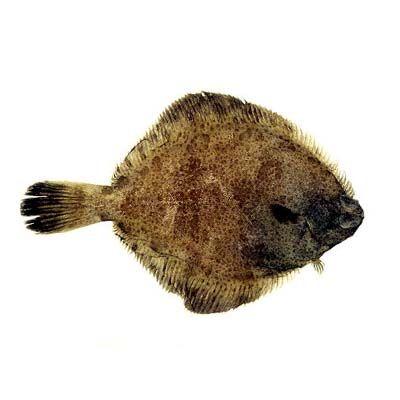
Curlfin Sole
These flatfish reach up to 15 inches and are masters of camouflage, lying on sandy bottoms during the day and feeding at night. Found from Alaska to Baja California in 26 to 1,700 feet of water, but most abundant above 300 feet. They're bottom dwellers that feed on worms, small crustaceans, and brittle stars. What makes them interesting is their odd swimming style—they move like eels in wave-like motions. Best fishing is at night when they're actively feeding, or during their spawning season from April to August. Use a specialized flatfish rig with three hooks on snoods so you can try different baits—lugworms and ragworms work best. Size 2-6 hooks are perfect for their small mouths. Add some beads or sequins to your rig since the movement attracts them. Here's the key: your bait needs to hover just above the bottom since both their eyes point upward. Drift fish over sandy areas and be patient—they're not aggressive hunters, just opportunistic feeders.
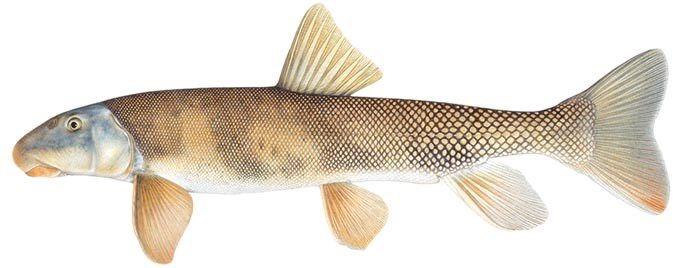
Flannelmouth Sucker
These hefty freshwater fish can reach 28 inches and 8 pounds, making them one of the largest suckers around. They're native to big rivers in the Southwest, preferring deeper pools with some current and rocky or sandy bottoms. Most folks catch them by accident while trout fishing, but they actually put up a decent fight on light tackle. You'll find them in current breaks where fast water meets slow water—they love feeding in those transition zones. Best time is during their spawning run from April to June when water hits around 50 degrees. They're omnivores, eating everything from algae to small invertebrates on the bottom. Use light spinning gear with size 6 hooks, nightcrawlers or a couple worms, and enough weight to keep your bait on the bottom where they feed. For fly fishing, try wet nymphs or scud patterns. Here's the trick: look for that foam line where currents meet—that's where they'll be waiting for food to drift down.
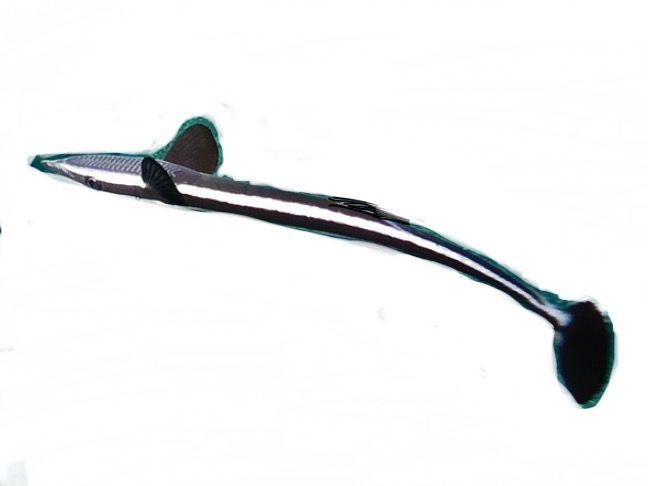
Live Sharksucker
These odd fish grow up to 43 inches and are famous for their suction disc on top of their heads that they use to hitchhike on sharks, rays, turtles, and even boats. Dark grey to brown with a black-striped tail, they're found in tropical waters near shore and offshore to about 160 feet deep. Most anglers don't specifically target them since they're tricky to catch—they don't school up and spend most of their time attached to other fish. When they do swim free, they hang near reefs feeding on small crustaceans and fish scraps. Honestly, they're more of a novelty catch than anything else since the meat isn't great. Your best shot at one is when they're riding a host fish you're already fighting. If you really want to try, use small hooks with crustacean or squid bait near reef edges where they clean parasites off other fish.
Spotted Grouper
Also called spotted cabrilla, these ambush predators grow up to 45 inches and 49 pounds with distinctive brass-brown spots covering their red-brown bodies. They love rocky structure and areas with red crabs, which are their favorite meal. You'll find them in patch reefs and rocky bottoms throughout the Eastern Pacific, especially in Mexican waters. They're excellent table fare, which makes them popular targets, but their preference for structure means you'll need heavy tackle—50-pound test minimum to keep them from breaking you off in the rocks. They change feeding habits by time of day: crustaceans at night, small fish during daylight hours. Best technique is live sardines during morning hours, letting the bait drift near rocky areas where they wait in ambush. Pro tip: once you hook one, lead it away from structure immediately—these fish will dive straight for the rocks and cut your line if you give them slack.
About the Equinox
%2F%2Fusers%2F3660573b-283e-44a2-b720-74c2aeee1d0d%2Fboat_picture%2F366240_20210524085411846_0_large.jpg&w=1920&q=75)
Vehicle Guest Capacity: 6
Manufacturer Name: Yanmar
Maximum Cruising Speed: 5
Number of Engines: 1
Horsepower per Engine: 100
This was an awesome experience and a highly recommended one!!!